
Para o último expoblush do mês, nós convidamos a artista Christiane Cegavske, mais conhecida por dirigir e produzir o filme Blood Tea and Red String (2006), um stop-motion que explora elementos do folk horror, que foi selecionado e premiado em vários festivais. Nessa entrevista Cegavske fala sobre sua trajetória artística na animação e fora dela, explica a relação entre elementos do arquétipo feminino dentro do artesanato geracional, sonhos, psicanálise junguiana, marionetes, ameaças sobrenaturais e as não sobrenaturais .
*A entrevista foi conduzida em Inglês, com a tradução em português seguida diretamente da versão original
Blush: write an initial introduction about you as a person and your artistic career; what is your creativity range and what do you like to do in your free time? What inspires you?
Cegavske: I am a Guggenheim Fellow and San Francisco Art Institute Alum best known for the award-winning stop motion feature Blood Tea and Red String (2006). My career as an animator and sculptor for television and film includes work for NBC, The Oxygen Network, VH1, the Disney Channel, and Fox at Space Bass Films and Acme Filmworks in Los Angeles and Bent Image Lab in Portland, Oregon, and a number of independent productions. I am currently working on my new feature project in production, Seed in the Sand, and teaching in the Animated Arts program at Pacific Northwest College of Art.
My creative practice spans multiple domains, including animation, live-action filmmaking, immersive installation, interdisciplinary collaboration, fiber arts, painting, sculpture, and creative writing. The characters who inhabit my animated world step into my gallery art, which in turn combines painting and sculpture with traditionally feminine crafts of sewing and quilting. With an emphasis on storytelling, I am building a personal intuitive mythology by mixing symbols from dreams and magic with historical research, current events, and synchronistic discoveries. The symbolism found in my work is both deeply personal and anchored in our cultural collective imagination. Themes revolve around the cycle of death and rebirth, women’s mysteries, the juxtaposition of the maternal with the monstrous feminine, love versus greed, and how that greed is tied to personal and ecological disaster.
These elements are influenced by my research into the mythology of cultures worldwide, the archetypes of Jungian psychology, and the pre-Grimm versions of our familiar fairy tales. The themes are ever growing and interconnected. Each creation contributes to and inspires the next.
Two of the most important and foundational of my influences were my grandmothers, who made beautiful works of art through quiltmaking, crochet, and embroidery. From their perspective they were simply making beautiful utilitarian items, not seeing themselves as the artists they were, like generations of women before them. They helped me build strong crafting skills and instilled a love of the act of making.
My earliest happy memories are of making dolls and the worlds they inhabited. The houses I built for these and other dolls were made of carefully cut and manipulated cardboard boxes. I created furniture and household items, all the way down to the smallest cookie made of Play-Doh. In fifth grade I made a short clay animation about some trick-or-treaters having their candy stolen and then animated some eggs dancing in a kitchen with a friend. After these two projects, I forgot about animation and focused on painting, although still engaged in doll making and sewing projects on the side. By high school I had turned my focus to fine art and chose to pursue a degree in painting from San Francisco Art Institute determined to be a serious painter. Before I finished there, the love of making characters and their environments pulled me back into animation.
Blush: faça uma breve apresentação sobre você e sua carreira; o que você faz artisticamente e mais gosta de fazer no seu tempo livre? O que te inspira?
Cegavske: Sou bolsista do Guggenheim e ex-aluna do San Francisco Art Institute, e sou conhecida principalmente pelo longa-metragem em stop motion Blood Tea and Red String (2006). A minha carreira como animadora e escultora para televisão e cinema inclui trabalhos para a NBC, The Oxygen Network, VH1, Disney Channel e Fox na Space Bass Films e Acme Filmworks em Los Angeles e Bent Image Lab em Portland, Oregon, e uma série de produções independentes. Atualmente, estou trabalhando no meu novo projeto de longa-metragem , Seed in the Sand, e lecionando no programa de animação no Pacific Northwest College of Art.
A minha prática criativa abrange vários domínios, incluindo animação, live-action, instalação imersiva, colaboração interdisciplinar, artes em fibra, pintura, escultura e escrita criativa. As personagens que habitam o meu mundo animado entram na minha galeria plástica, que, por sua vez, combina pintura e escultura com ofícios tradicionalmente femininos de costura e quilting. Com ênfase na narração de histórias, eu construo uma mitologia pessoal intuitiva, misturando símbolos de sonhos e magia com pesquisa histórica, eventos da atualidade e descobertas do sincronismo. O simbolismo no meu trabalho é ao mesmo tempo profundamente pessoal e ancorado também na nossa imaginação cultural coletiva. Os temas giram em torno do ciclo da morte e renascimento, dos mistérios femininos, da justaposição entre a feminilidade da maternidade com o feminino monstruoso, do amor versus a ganância e de como essa ganância se relaciona ao Desastre pessoal e ecológico.
Estes elementos são influenciados pela minha pesquisa sobre a mitologia das culturas do mundo, os arquétipos da psicologia junguiana e as versões pré- irmãos Grimm dos contos de fadas que estamos familiarizados. Os temas se interligam e estão em constante expansão. Cada criação contribui e inspira a próxima.
Duas das minhas influências mais importantes e fundamentais foram as minhas avós, que faziam belas obras de arte através de colchas de retalhos, croché e bordados. Na perspetiva delas, estavam simplesmente fazendo belos artigos utilitários, e não se enxergavam como as artistas que de fato eram, igual gerações de mulheres antes delas. Elas me ajudaram a desenvolver habilidades artesanais e me induziram ao amor pelo ato de fazer.
As minhas primeiras memórias felizes envolvem fazer bonecas e os mundos que elas habitavam. As casas que construí para estas e outras bonecas eram feitas de caixas de cartão cuidadosamente cortadas e manipuladas. Criei móveis e objectos domésticos, até ao mais pequeno biscoito feito de Play-Doh. No quinto ano, fiz uma pequena animação com argila sobre o roubo de doces de crianças no haloween, e depois animei uns ovos dançantes numa cozinha com um amigo. Depois destes dois projetos, esqueci a animação e concentrei-me na pintura, embora continuasse fazendo bonecas e costurando projetos paralelos. No ensino médio, já tinha decidido que ia me concentrar nas belas-artes e optei por fazer o curso de pintura no San Francisco Art Institute, e estava determinada a realmente me tornar uma pintora profissional. Antes de terminar o curso, o gosto por criar personagens e os seus ambientes levou-me de volta à animação.

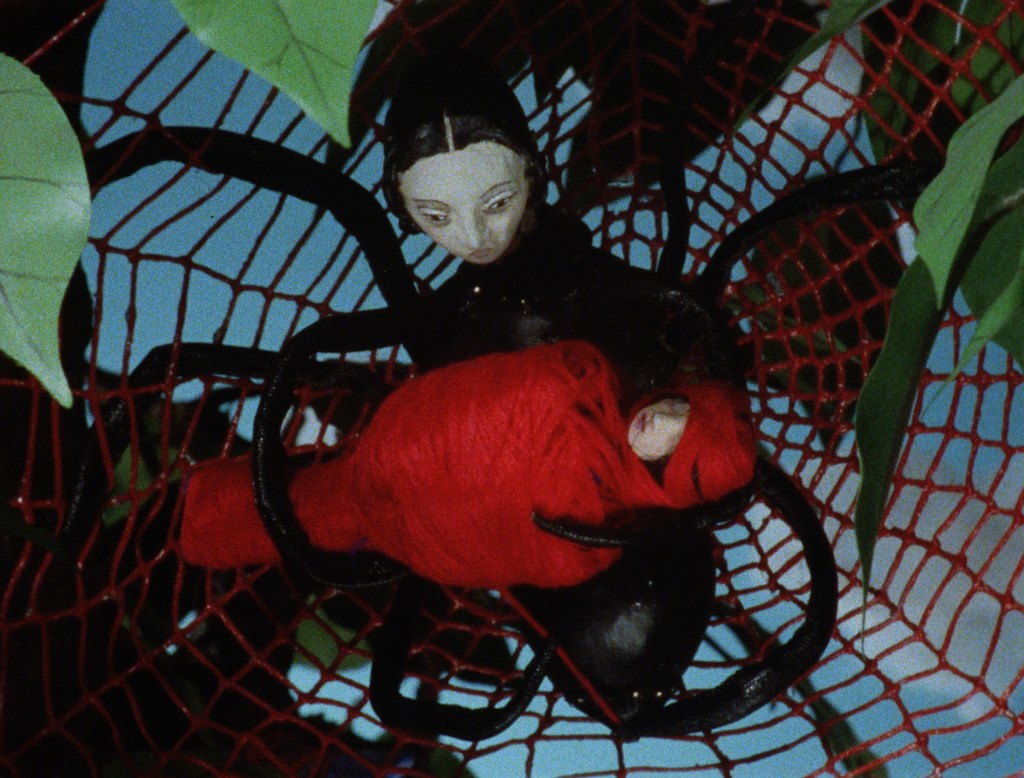
Blood Tea and Red String Stills
Blush: Is there any work of art ( by you or by another artist) that you consider to be particularly significant to your body of work and trajectory?
Cegavske: What drew me back to animation? Two things that I can be sure of. First, I watched Alice by Jan Svankmajer. That film triggered my imagination like nothing else ever has. I didn’t immediately know I wanted to animate. My first obsessive behavior triggered by Alice was shellacking cookies and apple cores and poking pins in them. I saved every apple seed and tea bag, and built up a pile of them on my painting pallet. I started collecting bones and other odd bits and pieces. Then a couple of my friends, fantastic artists Dame Darcy and Christine Shields, took a class in animation and invited me to see the screening of their work.
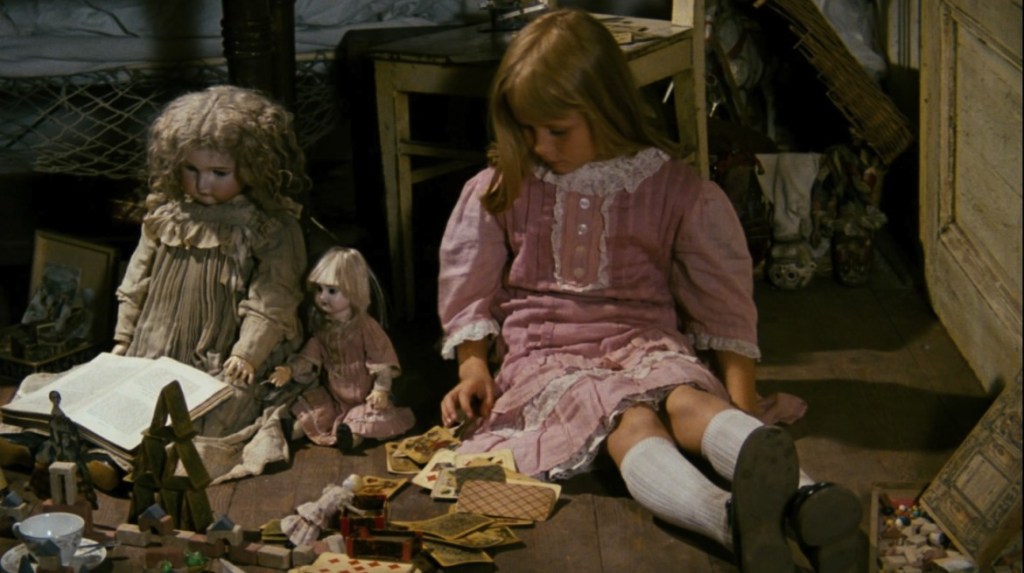
Still from Alice (1988) by Jan Svankmajer
That screening really inspired me and I decided to take the same class the next year. The class was Motion Graphics with Lawrence Jordan. There I made my first animated film as an adult, called Blood and Sunflowers. It was edited in camera, meaning it was shot in order so no post production editing was done, and the sound track was added in 1996.
That is the film that set me on my path as an animator. It was shown in festivals and on television, distributed by Hypnotic, presented on The Sundance Channel in 2002 and included in the 2008 German DVD Collector’s Edition of Blood Tea and Red String.
After making Blood and Sunflowers, I had ideas for another animated film about some of the funny little creatures that had appeared in a few of my drawings. This became my first feature film, Blood Tea and Red String.
Blush: Existe alguma obra de arte (sua ou de outro artista) que você considera particularmente significativa para a sua trajetória?
Cegavske: O que me levou de volta à animação? Posso ter certeza de duas coisas. Primeiro, assisti a Alice, de Jan Svankmajer. Esse filme despertou minha imaginação como nada mais fez. Eu não sabia que queria fazer animação de primeira. Meu primeiro comportamento obsessivo desencadeado por Alice foi descascar biscoitos e caroços de maçã e espetar alfinetes neles. Guardei todas as sementes de maçã e saquinhos de chá e fiz uma pilha deles na minha paleta de pintura. Comecei a colecionar ossos e outros pedaços estranhos. Então, duas amigas minhas, as fantásticas artistas Dame Darcy e Christine Shields, fizeram um curso de animação e me convidaram para assistir à exibição do trabalho delas.
Essa exibição realmente me inspirou e decidi fazer o mesmo curso no ano seguinte. O curso era Motion Graphics com Lawrence Jordan. Lá eu fiz meu primeiro filme de animação durante a idade adulta, chamado Blood and Sunflowers (Sangue e girassóis). Ele foi editado na câmera, ou seja, foi filmado na ordem, de modo que não houve edição na pós-produção, e a trilha sonora foi adicionada em 1996.
Esse é o filme que me colocou no caminho como animadora. Ele foi exibido em festivais e na televisão, distribuído pela Hypnotic, apresentado no Sundance Channel em 2002 e incluído na edição de colecionador do DVD alemão de 2008 de Blood Tea and Red String.
Depois de fazer Blood and Sunflowers, tive ideias para outro filme de animação sobre algumas das pequenas criaturas engraçadas que apareciam em alguns de meus desenhos. E depois eles se tornaram meu primeiro longa-metragem, Blood Tea and Red String.
Blush: We got to know your beautiful body of work through the feature film; “Blood Tea and Red String”and thought it would match perfectly with our Halloween themed month. Could you tell us more about the relation, to you, between stop-motion and folk horror on your work. How and why do you think that stop-motion blends with horror and embraces ominous characteristics so softly, creativity and technically.
Cegavske: I am sure that the cinematography, themes, and color palette of Blood Tea and Red String were influenced through exposure to folk horror classics I watched with friends as an impressionable young art student. These blur together in my memory now, so I can’t remember the titles, just a collage of green grass and paint-red blood, witchy women in candlelit crypts, pentagrams and blood, bestial fur sprouting, wax faces melting…mysoginistic portrayal of the danger of women’s power…

Still from Blood Tea and Red String
Stop motion puppets exist in the space between reality and imagination. Our minds perceive that the puppet is a thing that exists, yet the life we watch on screen is entirely an illusion. Even the tamest stop motion film intended for children can make us feel a sense of unease.
Blood Tea and Red String, a film clearly made for adults with its blood rituals and skulls but seemingly set in a children’s fairy tale with its anthropomorphic woodland creatures and pastoral scenery, elicits a complex emotional response from audiences. Viewers expect to be comforted by a sense of familiarity and they are to some extent, but also they also end up vaguely or even overtly disturbed by the eerie visuals steeped in pagan practices and long forgotten folklore.
Blush: Conhecemos seu belo trabalho por meio do longa-metragem “Blood Tea and Red String” e achamos que ele combinaria perfeitamente com nosso mês temático de Halloween. Você poderia nos contar mais sobre a relação, para você, entre stop-motion e terror popular em seu trabalho. Como e por que você acha que o stop-motion se mistura com o terror e adota características sinistras com tanta suavidade, criatividade e técnica?
Cegavske: Tenho certeza de que a cinematografia, os temas e a paleta de cores de Blood Tea and Red String foram influenciados pela exposição aos clássicos do terror popular que assisti com amigos quando era uma jovem impressionavél e estudante de arte. Esses clássicos se juntaram em minha memória agora, então não consigo me lembrar dos títulos, apenas de uma colagem de grama verde e sangue vermelho pintado, mulheres bruxas em criptas à luz de velas, pentagramas e sangue, pelos bestiais brotando, rostos de cera derretendo… retratos misóginos do perigo do poder feminino…
As marionetes de stop motion existem no espaço entre a realidade e a imaginação. Nossas mentes percebem que a marionete é uma coisa que existe, mas a vida que vemos na tela é inteiramente uma ilusão. Até mesmo o filme de stop motion mais suave, destinado a crianças, pode nos fazer sentir uma sensação de desconforto.
Blood Tea and Red String, um filme que claramente foi feito para adultos, com seus rituais de sangue e caveiras, mas aparentemente ambientado em um conto de fadas infantil, com suas criaturas antropomórficas da floresta e cenário pastoral, provoca uma resposta emocional complexa do público. Os espectadores esperam ser confortados por um senso de familiaridade e, até certo ponto, são, mas também acabam sutilmente ou até mesmo abertamente perturbados pelos visuais sinistros impregnados de práticas pagãs e folclores antigos que foram esquecidos.
Blush: What is the correlation, to you, between the dolls on your installation “Cottonflesh Sacrifice” the doll commissioned by the aristocrats on “Blood Tea and Red String” and the doll on “The Doll Maker”?
The development of my personal symbolism is both intentional and serendipitous combining conscious intent juxtaposed with dream logic and pure inspiration. The meanings shift and grow as I do. Recurring themes make their way through my work in widely varied mediums, the expression shifting among paintings, sculpture, film, quilts, or dolls. The rag dolls appear in Seed in the Sand dancing on an animated dream island and tormenting the masked woman, and featured prominently in Cottonflesh Sacrifice as life-size sewn cotton versions at my exact height of five-foot-three, and they are also recurring characters in many of my paintings and miniature sculptures.
In some ways, the doll represents me. To be more specific, my physical/outer existence. The container of the spirit, not the spirit itself. In Blood Tea and Red String the doll is explicitly and intentionally portrayed as lifeless and empty. Any personality ascribed to her is entirely a projection by the creatures who love her.
The Doll Maker is a grisly live action short film originally made to compete in a horror film contest. The symbolism here is less personal though still informed by my doll obsession in how it follows the impact of obsession in a real-world context where the main character wants to bring the doll to life just as much as Eusebius Moth does in Blood Tea and Red String but takes a more active and destructive path to acquire the heart.
In musing upon the meaning of the rag dolls in my art when working on the Cottonflesh Sacrifice installation, I found some resonance in these interpretations: archetypal female figure; objectification of body; muse; skin to be shed; womb as site of transmutation/incubating; striped legs support the womb through birth and death cycle; black shoes could represent strong foundation, carry one along pathway; blank smile is a happy mask to present to others; arms reach, restrain, support. For the gutted dolls on the power poles, these interpretations came to mind but cannot be confirmed: artifacts left over after having generated and shared power to incubate/transmute; abandoned woman shell; incubation is done; egg/seed has been taken; discarded selves.
Blush: Para você, qual é a correlação entre as bonecas em sua instalação “Cottonflesh Sacrifice”, a boneca encomendada pelos aristocratas em “Blood Tea and Red String” e a boneca em “The Doll Maker”?
O desenvolvimento do meu simbolismo pessoal é deliberado e também casualmente mistura intenção consicente justaposta à lógica dos sonhos, e também simples e pura inspiração. Os significados mudam e crescem à medida que produzo. Temas recorrentes aparecem em meu trabalho atrvés de meios amplamente variados, com a expressão mudando entre pinturas, esculturas, filmes, colchas ou bonecas. As bonecas de pano aparecem em Seed in the Sand dançando em uma ilha de sonhos animada e atormentando a mulher mascarada, e aparecem com destaque em Cottonflesh Sacrifice como versões de algodão costurado em tamanho real, com a minha altura exata de 1,80 m, e também são personagens recorrentes em muitas das minhas pinturas e esculturas em miniatura.
De certa forma, a boneca me representa. Para ser mais específico, minha existência física/exterior. O recipiente do espírito, não o espírito em si. Em Blood Tea and Red String, a boneca é explícita e intencionalmente retratada como sem vida e vazia. Qualquer personalidade atribuída a ela é inteiramente uma projeção das criaturas que a amam.
The Doll Maker é um curta-metragem live-action, feito originalmente para competir em um concurso de filmes de terror. O simbolismo aqui é menos pessoal, embora ainda influenciado pela minha obsessão por bonecas, pois segue o impacto da obsessão em um contexto do mundo real em que o personagem principal quer dar vida à boneca, assim como Eusebius Moth faz em Blood Tea and Red String, mas segue um caminho mais ativo e destrutivo para adquirir o coração.
Ao refletir sobre o significado das bonecas de pano na minha arte quando trabalhava na instalação Cottonflesh Sacrifice, encontrei alguma ressonância nestas interpretações: figura feminina arquetípica; objetificação do corpo; musa; pele a ser derramada; útero como local de transmutação/incubação; pernas listradas sustentam o útero durante o ciclo de nascimento e morte; sapatos pretos podem representar uma base forte, carregando algúem ao longo do caminho; o sorriso vazio é uma máscara feliz para apresentar aos outros; os braços alcançam, restringem, sustentam. Para as bonecas destruídas nos postes de energia, estas interpretações vieram à mente, mas não podem ser confirmadas: artefatos que sobraram depois de terem gerado e compartilhado o poder de incubar/transmutar; concha de uma mulher abandonada; a incubação terminou; o ovo/semente foi levado; eus descartados.

The Doll from Blood Tea and Red String/ A Boneca de Red Blood and Tea String
Blush: Do you have a different artistic and technical process when dealing with dolls and puppets that are designed for stop-motion animation and the ones designed for the installation or individuals pieces? Does the biomorphic and uncanny characteristics of the dolls achieved through texture changes when dealing with film?
Cegavske: Sometimes they are the same, sometimes different. For miniature dolls that are included in my mixed media sculptures, I use a wire armature nearly the same as that used for my puppets. I can use less wire as it does not need to endure so much repetitive bending. The scale of doll hair can be a challenge. For my recent small sculptures I used the scalp tops from doll wigs made for ball jointed dolls. For my stop motion animated dancing dolls I mixed wefts from doll wigs with embroidery thread to achieve the desired texture and to coordinate with the life sized dolls used in the live action sequence whose hair is made using purchased life sized wigs.
I used the same life sized dolls in both the Cottonflesh Sacrifice installation and in the live action scenes in Seed in the Sand. These life sized dolls have simple armatures made with 1/8th inch aluminum wire that are not meant to help them stand like the 5.3:1 scale puppets, just to aid in posing the arms and legs. The five-foot-three-inch tall dolls cannot stand independently and are not designed to be animated, but they can sit up without support.
Blush: Você tem um processo artístico e técnico diferente quando lida com bonecos e marionetes projetados para animação stop-motion e aqueles projetados para instalações ou peças individuais? As características biomórficas e estranhas dos bonecos, obtidas por meio da textura, mudam quando você lida com filmes?
Cegavske: Às vezes são iguais, às vezes são diferentes. Para bonecas em miniatura incluídas em minhas esculturas de mídia mista, uso uma armadura de arame quase igual à usada em meus fantoches. Posso usar menos arame, pois ele não precisa suportar tantas dobras repetitivas. A escala do cabelo de boneca pode ser um desafio. Em minhas pequenas esculturas recentes, usei a parte superior do couro cabeludo de perucas de bonecas feitas para bonecas com articulações esféricas. Para minhas bonecas dançantes animadas em stop motion, misturei tramas de perucas de bonecas com linha de bordado para obter a textura desejada e para coordenar com as bonecas de tamanho natural usadas na sequência de ação ao vivo, cujos cabelos são feitos com perucas compradas em tamanho natural.
Usei as mesmas bonecas de tamanho natural na instalação Cottonflesh Sacrifice e nas cenas de ação ao vivo em Seed in the Sand. Essas bonecas em tamanho real têm armaduras simples feitas com arame de alumínio de 1/8 de polegada que não servem para ajudá-las a ficar em pé como os bonecos em escala 5,3:1, apenas para ajudar a posicionar os braços e as pernas. Os bonecos de 1,5 m de altura não podem ficar em pé de forma independente e não foram projetados para serem animados, mas podem se sentar sem apoio.


Imagens do set de Blood Tea and Red String / Images from the set of Blood Tea and Red String
Blush: A halloween themed question : have you ever had a supernatural experience? what is something that particularly gives you intense goosebumps?
I was once upon a time living alone in an isolated mobile home in the woods of Southern Oregon. I tended to have difficulty sleeping in the dark of night and would often stay awake until daylight at that place. And I kept a 12 gauge shotgun under my bed for protection from non-supernatural threats.
Often I would wake up in the middle of the night feeling like I was being watched by a ghostly shadow of an old man standing in my bedroom doorway wearing a brimmed hat. I learned from the land owner that there had been an old man living in a tumbledown shack near where the mobile home was standing now who had died there some years ago. One night, having had enough ghostly terror, I yelled out into the darkness, “Go away! You aren’t welcome here!” or something similar to that. I never felt watched by him again after that.
Blush: Uma pergunta para entrar no clima de Halloween: você já teve uma experiência sobrenatural? O que lhe dá arrepios intensos?
Certa vez, eu estava morando sozinha em uma casa móvel isolada nos bosques do sul do Oregon. Eu costumava ter dificuldade para dormir no escuro da noite e muitas vezes ficava acordada até o dia nascer naquele lugar. E mantinha uma espingarda calibre 12 embaixo da cama para me proteger de ameaças não sobrenaturais.
Muitas vezes, eu acordava no meio da noite com a sensação de estar sendo observado por uma sombra fantasmagórica de um homem velho parado na porta do meu quarto usando um chapéu de abas. Fiquei sabendo pelo proprietário do terreno que havia um homem idoso morando em um barracão depredado perto de onde a casa móvel estava agora e que havia morrido ali há alguns anos. Certa noite, depois de muito terror fantasmagórico, gritei na escuridão: “Vá embora! Você não é bem-vindo aqui!”, ou algo parecido com isso. Depois disso, nunca mais me senti observada por ele.
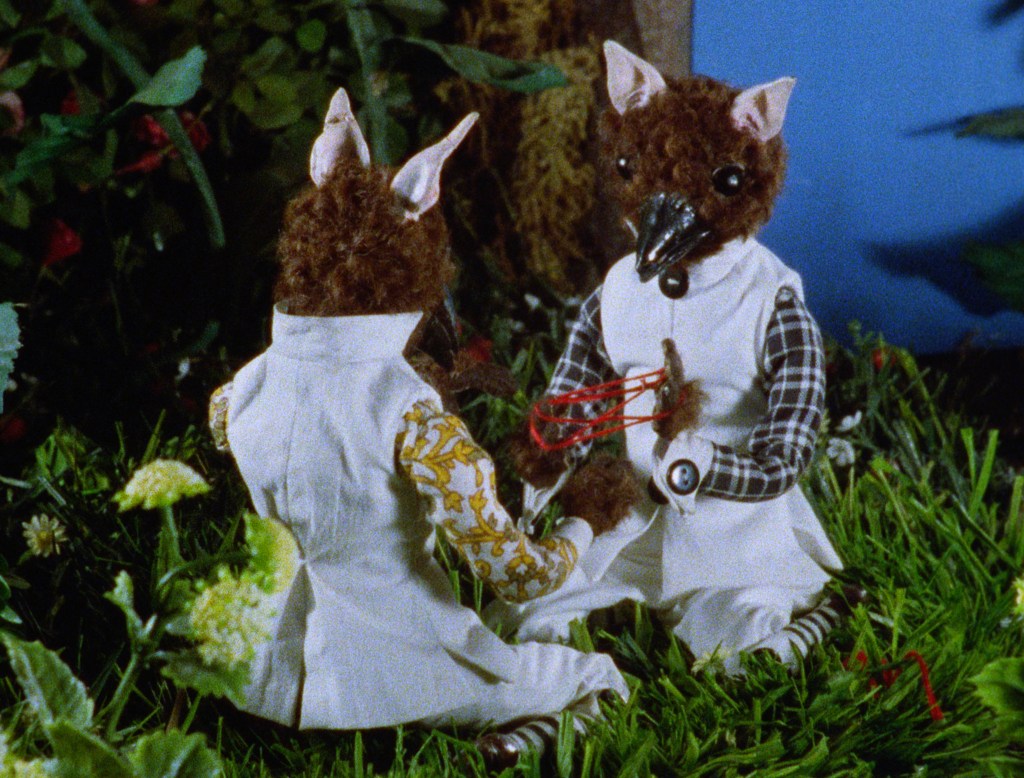
Blood Tea and Red String Still
Coyote– Christiane Cegavske

~> nossos envios para #expoblush collab ainda estão abertos! se você tiver qualquer arte bizarra, sobrenatural, gore, fantasmagorica ou até mesmo só um pouquinho assustadora, manda pra gente! aceitamos qualquer tipo de mídia

 Blush
Blush 
Deixar mensagem para Raphaela Cancelar resposta